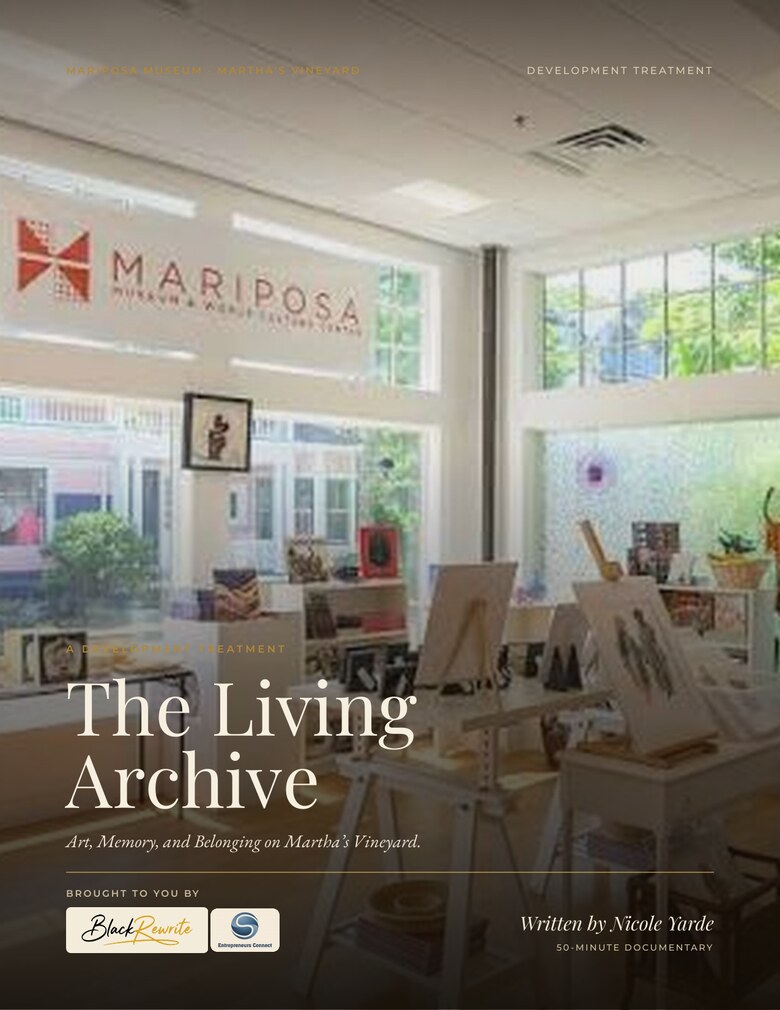
The Development Treatment
The vision at a glance: premise, synopsis, story structure, humanities themes, and the audiovisual approach.
Download · 7 pages

Mariposa Museum & World Culture Center · A Documentary Treatment
Art, Memory, and Belonging on Martha's Vineyard
What do we owe the stories we inherit?


The Keeper of the Stories
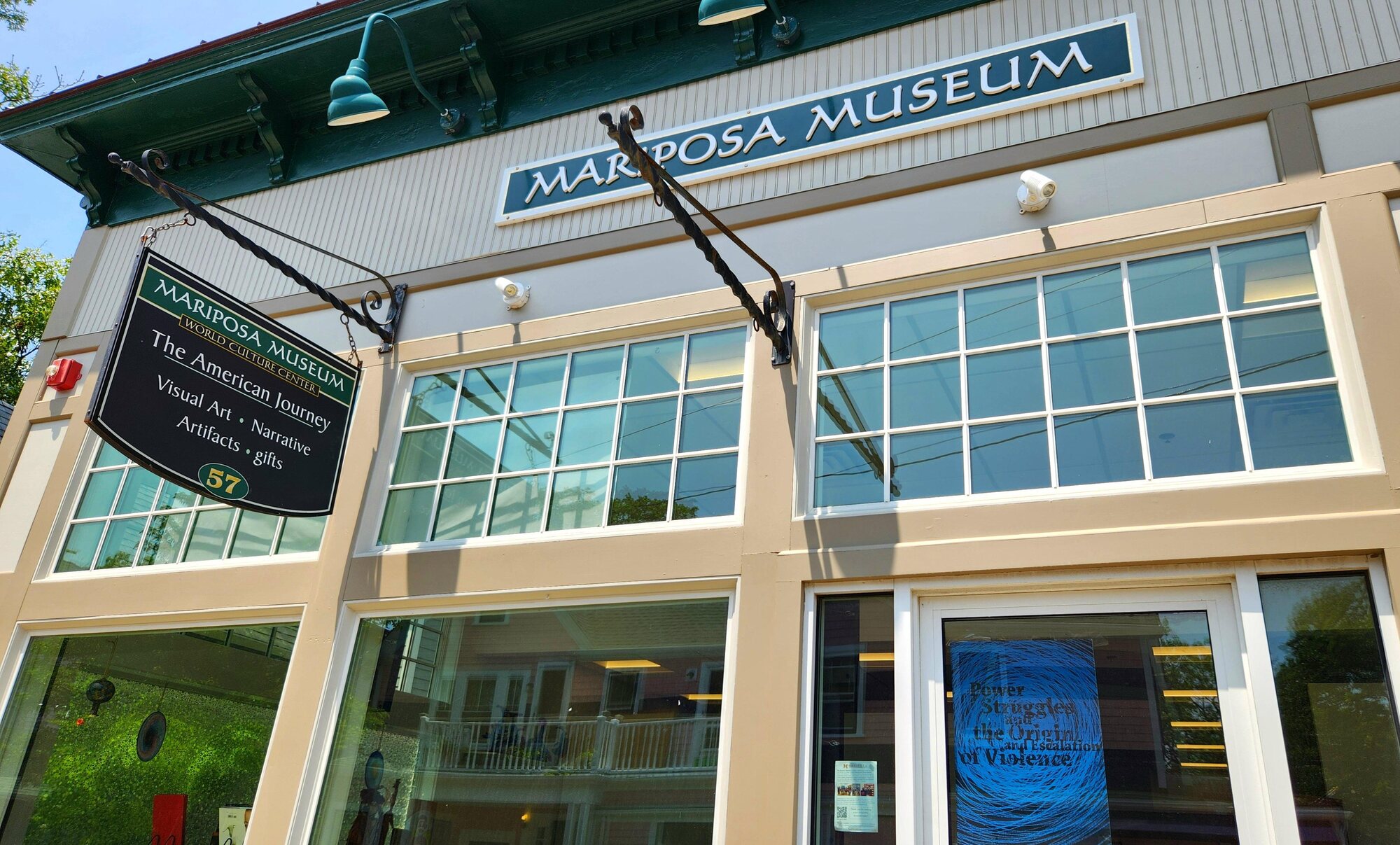
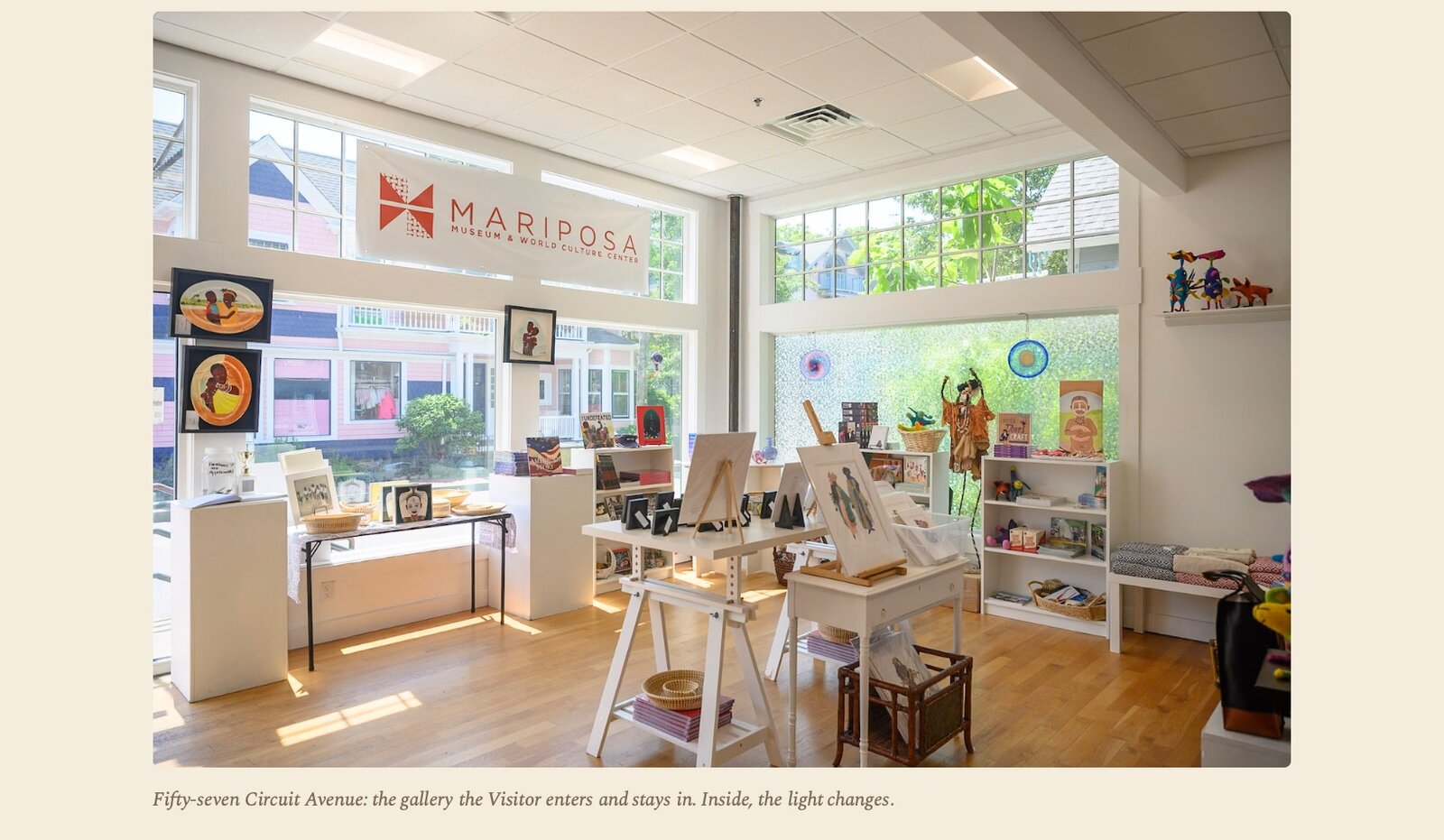
A few blocks from the beach, the kind of door you could walk past if you weren't looking: the island's home for artists of the African diaspora, and the room where this film comes to rest.
57 Circuit Avenue · Oak Bluffs · Martha's Vineyard
01 · The Premise
Mariposa · The Living ArchiveOn an island that has been Wampanoag homeland for ten thousand years and a refuge for Black America for more than a century, a small museum named for the butterfly asks what we owe the stories we inherit, and what we are still free to imagine.
Inside that meeting place is a community that was nearly erased and then recovered, and a museum that has become a living archive: the room where strangers learn to see one another.
Through three histories that share one island (the Wampanoag people, the African American community of Oak Bluffs, and the Mariposa Museum), the film traces how stories, language, and acts of imagination are carried across generations. Rooted in continuity, refuge, and joy, it lands on stewardship: the responsibility that arrives with a story once you have received it.
Sankofa: go back and fetch what you risk leaving behind.
A First Look
Original cinematic teaserA teaser assembled in the film's own grammar (first light on the water, the cliffs, the porch, the gallery, the open door), narrated sparingly, with no music over the final frame.
02 · Synopsis
One island, carried forwardThe film moves through one island and three inheritances, and the turn toward keeping them. It opens before the island had its English name and ends without narration, on a child taking up a brush.
Wampanoag continuity, homeland for ten thousand years.
Black refuge, leisure & joy: a community of color takes root.
Pushed out, then forgotten: a refuge nearly deleted.
Research that un-erases: the record answers.
The museum arrives, 2019, named for the butterfly.
Recognition becomes responsibility.
The brush, passed forward.
 Aquinnah
Oak Bluffs
57 Circuit Ave
Aquinnah
Oak Bluffs
57 Circuit Ave
03 · Story Structure
A cold open and three acts · 50 minutesCold Open · ≈ 2 minutes
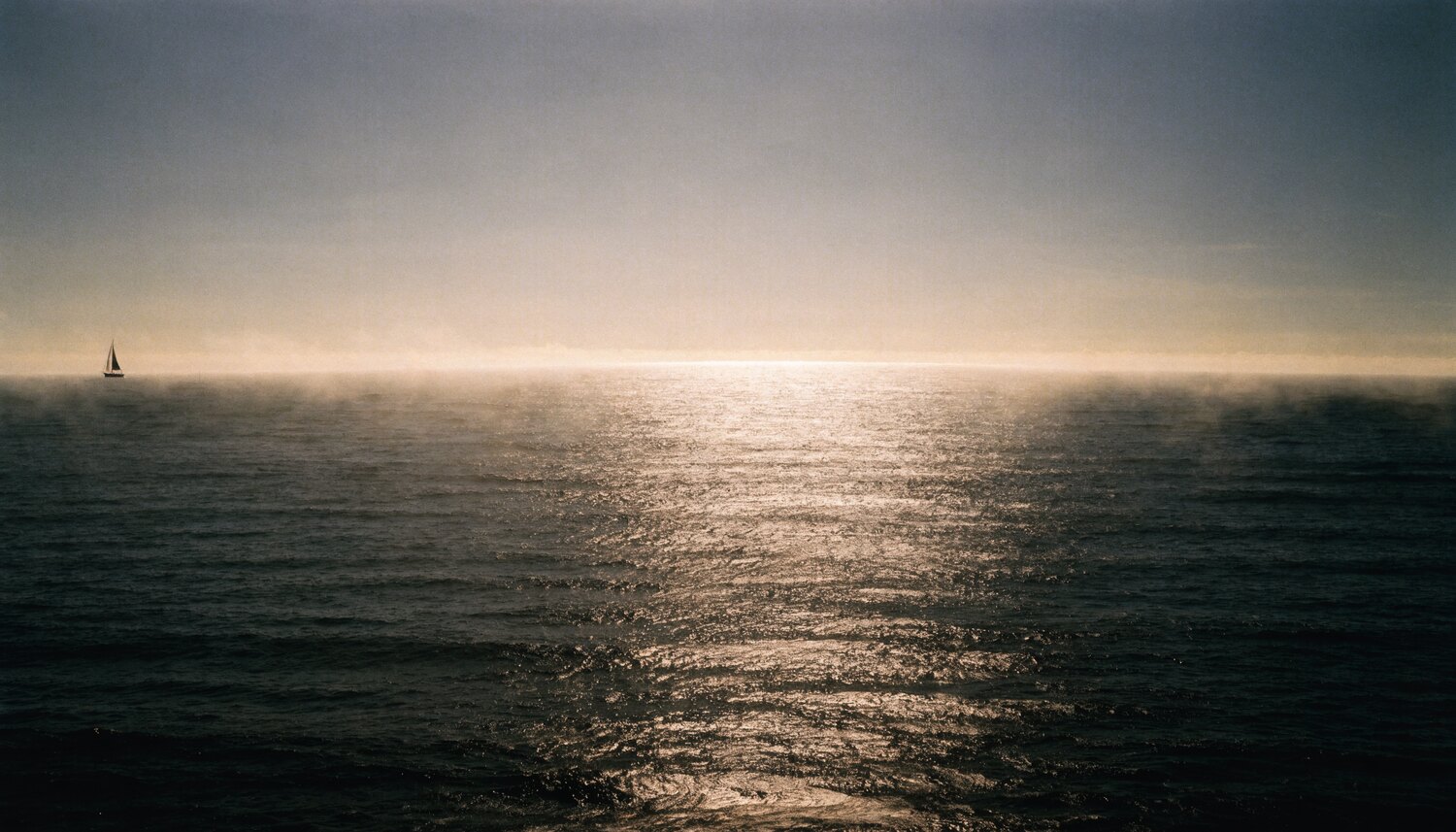
Sound before speechFirst light on the water. No narration, only sound: the pull of the tide, wind in beach grass, a screen door, a gull. The camera, which is the Visitor, walks. A few words of Wôpanâak drift over the cliffs and are not translated. Then one line of narration, and only one, poses the question the whole film will answer.
Four images recur and bind the acts
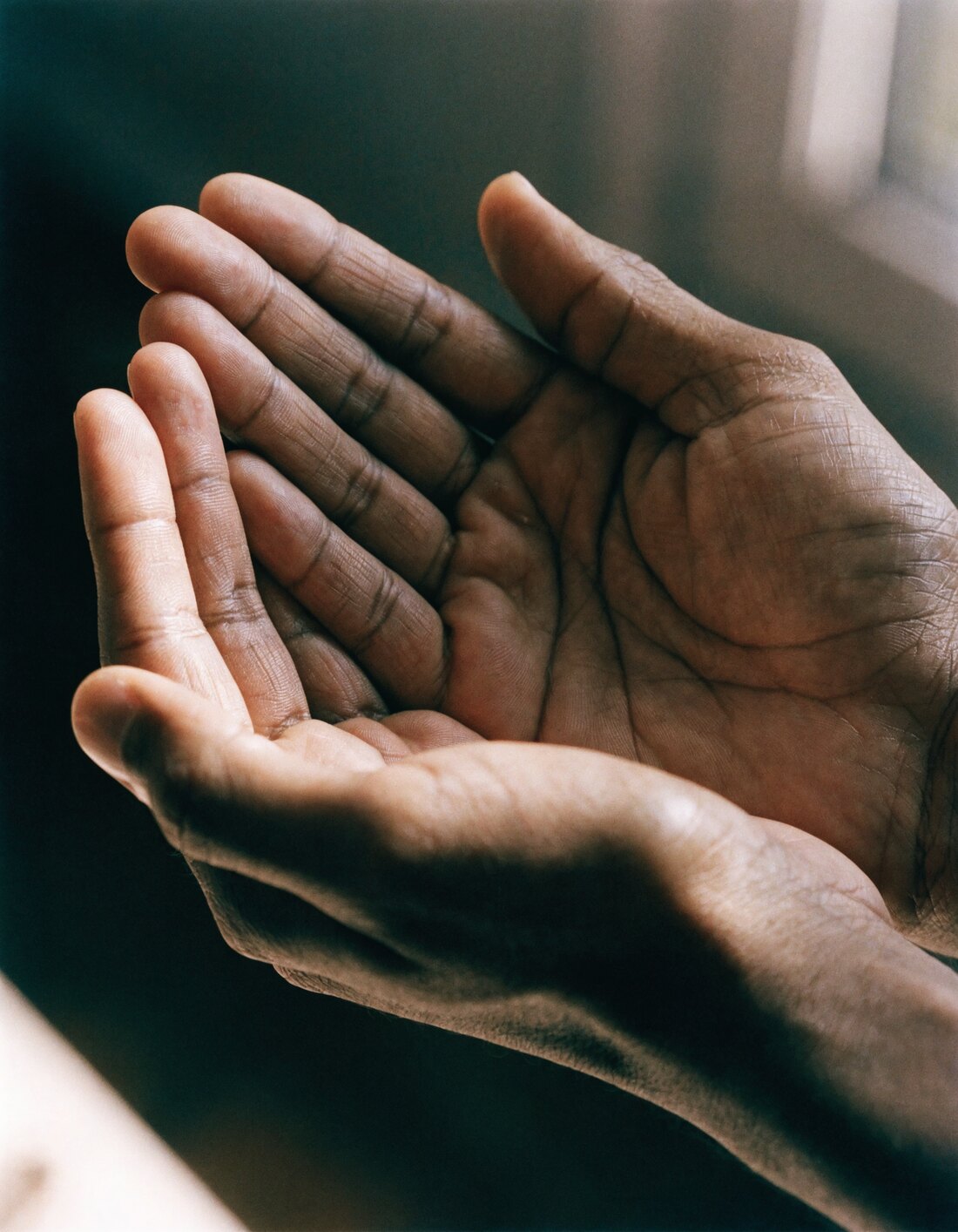
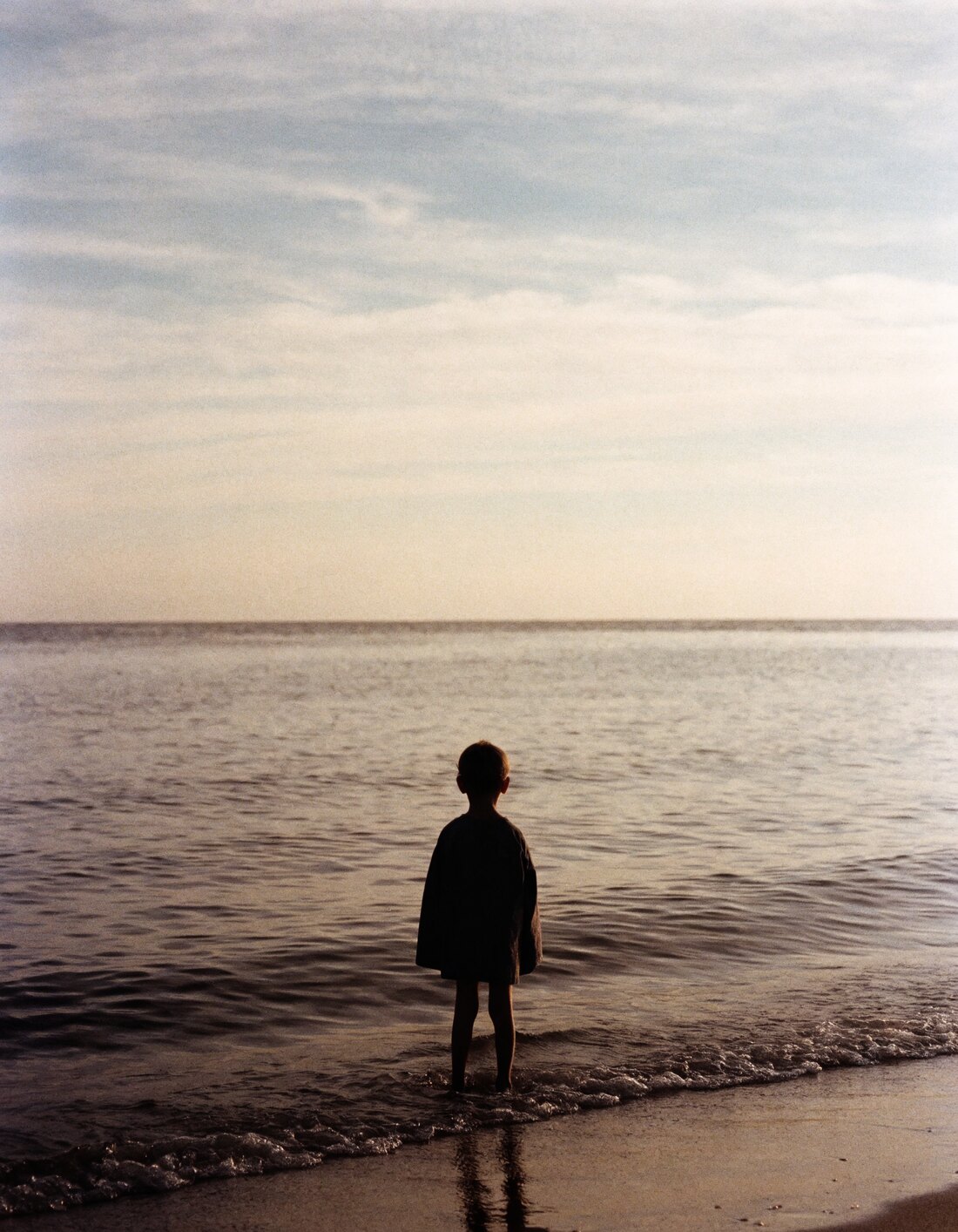
What do we owe the stories we inherit?
Dawn footage of the Aquinnah Cliffs and the south shore; a close-up of hands; a single butterfly; a child at the waterline; the title card over black.
Layered natural sound, a few untranslated words of Wôpanâak, and one line of narration.

Act One · ≈ 14 minutes
Memory
We begin in abundance, not injury: Noepe, homeland to the Wampanoag, the People of the First Light, for ten thousand years.
The words are older than the island's English name. They move from one mouth to the next in the present tense. What survives is not only the sound but the decision, repeated, to keep speaking it.
Long before the name Martha's Vineyard, this was Noepe, land amid the waters. A culture-bearer guides us through a world that is whole: fishing grounds and planting ground, the giant Moshup whose stories shaped the island, the Aquinnah Cliffs whose colored clay holds ancient time in its layers, a child learning to shape the old words again. This is the ground everything else will stand on, and these are the people who remained.
Survival, here, was itself an act of imagination. Through generations of pressure on Wampanoag land and self-government, the people held a future in mind that the present did not yet permit, and carried it, unbroken, to federal recognition in 1987. The point is not comprehension but transmission: a language handed from one mouth to the next in real time.
Act One closes on someone who arrived, and who carried both stories in a single body. In 1862, Dr. Samuel Birmingham, a New Bedford physician of African and Wampanoag heritage, leased a tent in the Oak Bluffs campground and built what was very likely the first Black-owned cottage on the island. The act ends on a threshold: a door he has just opened and not yet walked through.
We hold him as a hinge, the place where two stories meet without dissolving into one. The Wampanoag did not arrive and do not return; this is their ground, and it stays their ground. What grew around Birmingham came, and came for refuge. They braid. They also remain distinct and sovereign.
An Aquinnah Cultural Center language keeper; a Wampanoag weaver or artist on inherited craft; a Native & Indigenous studies scholar on sovereignty and place.
Historic photographs of Aquinnah and the cliffs; the 1862 campground tent-lease in close-up; early cottage and Smalley-family portraits; present-day footage of a Wôpanâak class, weaving, wampum carving, and fishing.
Spoken Wôpanâak, untranslated, with partner consent; wind, surf, and the sound of a classroom.
Humanities Inquiry: Native American and Indigenous studies. Wampanoag presence is treated not as prehistory but as ongoing sovereignty, and language revitalization as a living intellectual project rather than a rescue. The act's claim: continuity is itself an achievement, with place-based knowledge as the throughline.
Survival itself was an act of imagination: a future held in mind before the present would permit it.
Mariposa, the butterfly: transformation and return
Act Two · ≈ 18 minutes
Belonging
Again we open in joy, because joy is the reason people came. Then the turn, when a refuge was nearly erased.
We walk through the door he opened. A community takes root around that first cottage, and we are still in joy. Black and Wampanoag families live a few streets apart, intermarry, raise children who carry both histories at once, among them Julia Smalley, a Wampanoag cottage owner, mother of Amos Smalley, the harpooner some historians believe may have inspired Melville's Tashtego.
Then the haven proper. Charles and Henrietta Shearer (he born into slavery, both Hampton-trained) turn a laundry into one of the first and most important inns to welcome Black guests, because segregation sharply limited where Black travelers could stay. The Highlands fill with cottages. The film lingers in their particulars: a screen door easing shut on a shaded porch, towels bright on the morning sand at the Inkwell, the dawn swim a returning family still keeps. The Cottagers raise money and raise one another. Dorothy West writes her neighbors from her porch.
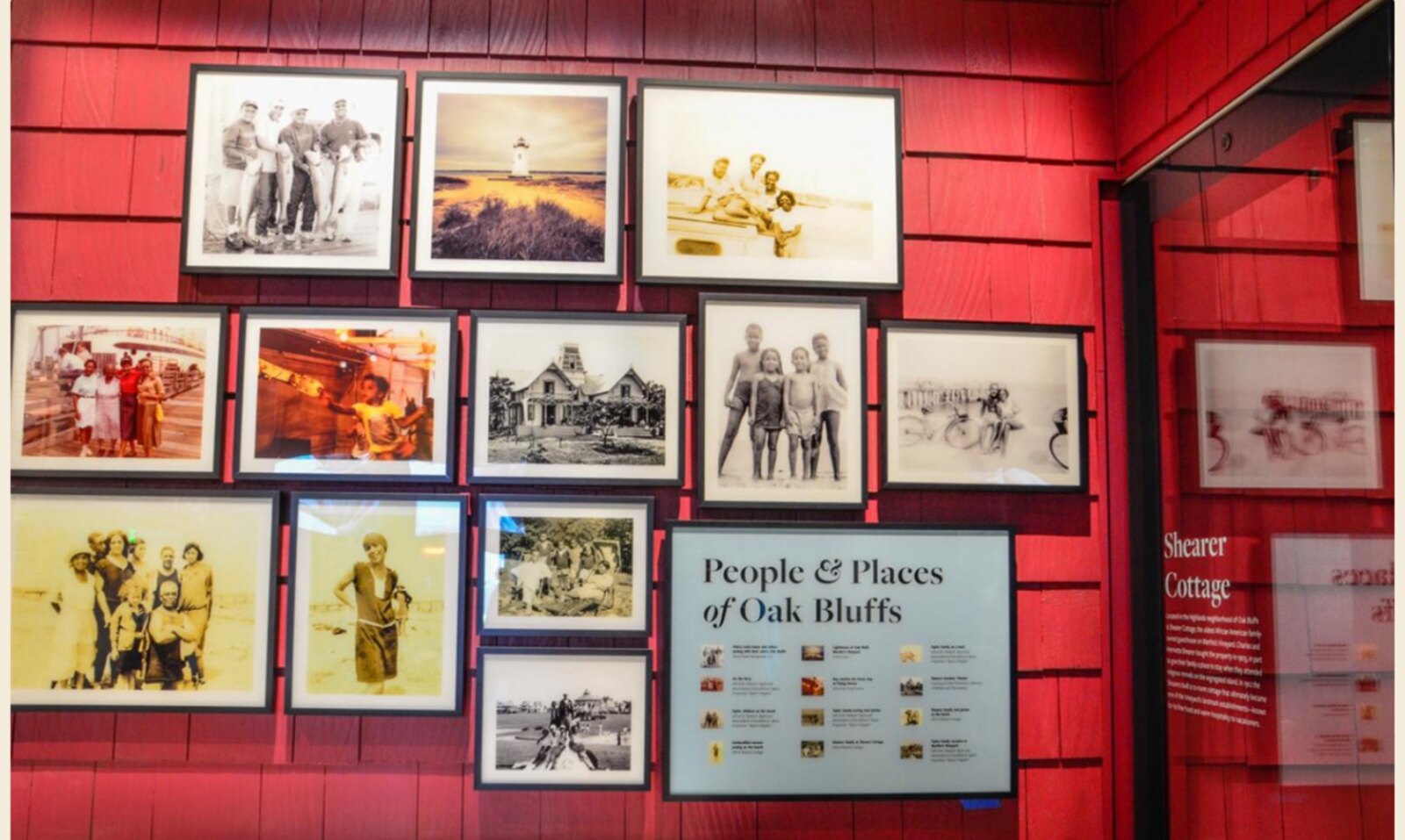
And then the turn
By the 1880s the campground had begun pushing out its tenants of color. The island's first documented community of color was largely erased from memory, not destroyed in a single act, but let go of, a little at a time, until almost no one was left to say it had been there.
Act Two could end on that silence. It does not.
the forgetting was real, so is the hand now turning the page.
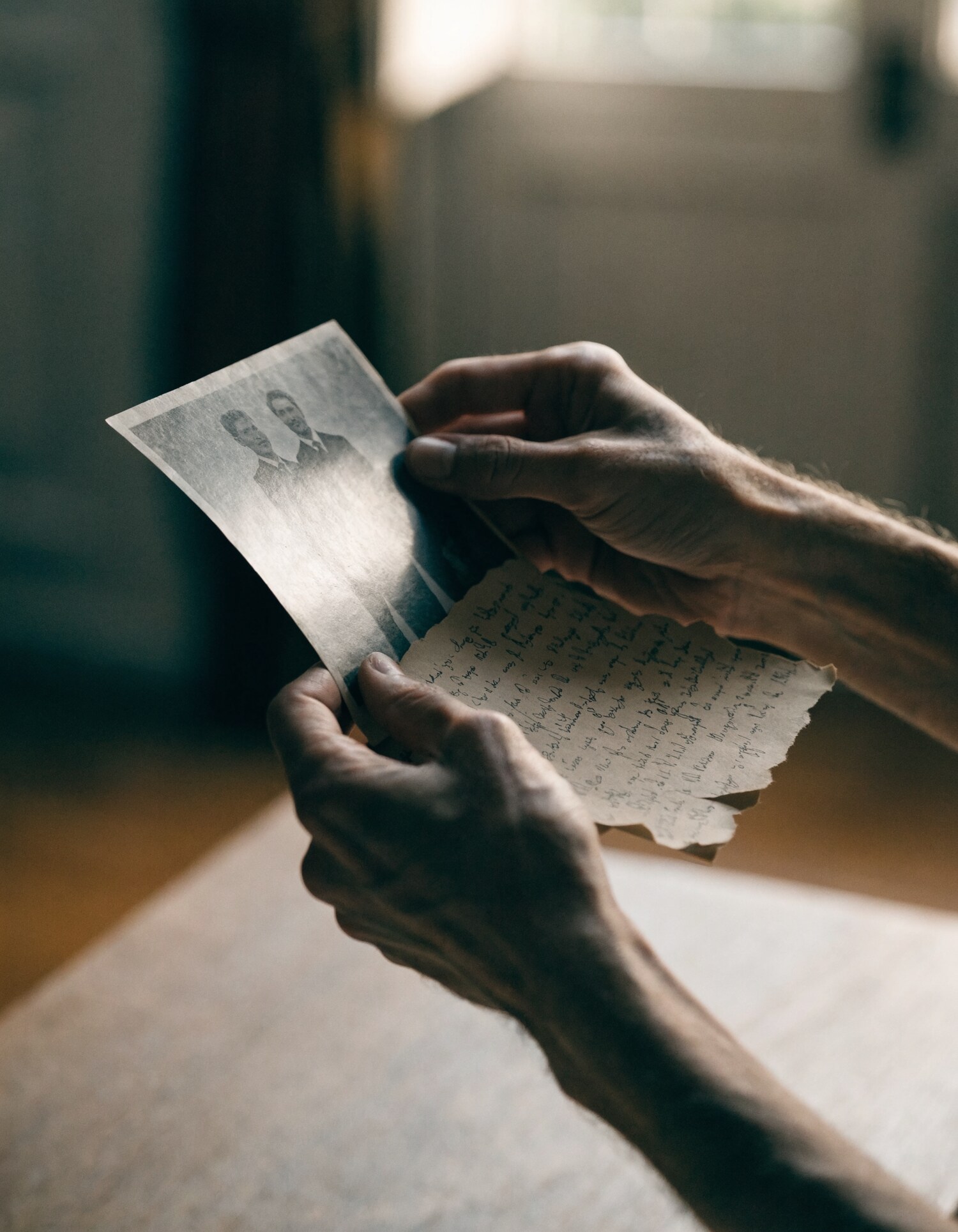
It ends on the first hand reaching back into it. Someone has gone back to the record, and the record answered: a name surfaces that has not been spoken in a hundred years. The camera stays on the page, not the face. We only see that someone went looking, and that the forgetting was not the last word.
We name the present cost honestly, too. The cost of the island now presses on families whose place here was hard-won, so that a community recovered on the page is not yet safe on the ground. What was built here can still be lost. It survives only if someone keeps it.
A long-standing Oak Bluffs family or the Cottagers on return and tradition; the Martha's Vineyard Museum historian who recovered the campground community; a scholar of Black leisure and geographies.
The Shearer Cottage Green Book listing and guesthouse photographs; Cottagers Corner records; Dorothy West's papers, read aloud; campground maps and family photographs; footage of the Inkwell dawn swim and Circuit Avenue.
A reading from Dorothy West; the Green Book listing read aloud; surf and morning voices at the Inkwell; the quiet of a reading room.
Humanities Inquiry: African American history, Black geographies, and the public history of leisure: Oak Bluffs as one of the country's foremost Black summer communities, and a case study in how a real community is erased from the record and then recovered. Scholarship as stewardship.
Act Three · ≈ 16 minutes
Imagination
Recovery as an action. The film enters one room and stays, where people practice seeing one another.
Recovery is an action, and we have just watched it begin. Now we watch it widen. The historian's box is one hand; there are others. Families keep the memory walkable along the African American Heritage Trail. The Aquinnah Cultural Center holds the island's oldest story in the first person. Each is someone going back for something the present nearly let slip: the same motion, in different rooms.
Into this arrives the Mariposa Museum. Named for the butterfly, the sign of transformation and of return, it opened in Oak Bluffs in 2019 as the island's only museum devoted to artists of the African diaspora, and drew thousands in its first summer to an exhibition called And Still We Rise, organized with the Women of Color Quilters' Network. The museum is small: fifty-seven Circuit Avenue, a few blocks from the beach, the kind of door you could walk past if you weren't looking. But by now we know what the act of looking costs, and what it returns. Inside, the light changes.
This is where the film slows down and the camera earns the Visitor's name. It has spent thirty-five minutes moving through landscape and history. Now it enters a room and stays. The Visitor moves through the gallery the way a person moves through a gallery: pausing, stepping closer, stepping back, standing. The narration gives way. What fills the screen is what fills the room: art, and the space between the person and the thing they are looking at.
The museum is where people practice seeing one another: through someone else's imagination, through another century's witness, through a quilt stitched by hands the viewer will never meet. What crosses the bridge, if the encounter works, is not information. It is recognition, and recognition is where stewardship begins, because people rarely protect what they have not learned to see.

Someone saw something before it existed and reached for it. The museum makes that reach possible for anyone who walks in.
One encounter shows what this means more plainly than any thesis can. The Visitor stops in front of a portrait, reads the placard, looks again, and stays longer than they meant to, because something in the face on the wall refuses to stay anonymous. They did not know this story existed. Now they do, and they will carry it out the door and onto Circuit Avenue, where it will change, even slightly, how they see the next person they pass. That is the act.
Mariposa leadership on the museum's mission and its 2019 move to Oak Bluffs; a Mariposa exhibiting artist, filmed making work; a scholar of African diaspora art history or museum studies.
Footage and opening-night photographs from And Still We Rise; the Women of Color Quilters' Network quilts; gallery interiors and visitors at 57 Circuit Avenue; an artist at work; the closing sequence of hands and the open door.
Room tone and footsteps; sparse closing narration that stops before the final image; no music over the last frame.
Humanities Inquiry: African diaspora art history and museum studies: the museum as a contact space where strangers meet across difference and learn to see one another. Diaspora visual culture is the medium, public memory is the stakes, and stewardship is the conclusion.
The Medium & the Metaphor
A quilt is a record you can holdThe museum's medium is the quilt: a record stitched by hands the viewer will never meet, carried forward block by block. Three communities, one cloth. Each patch is a piece of the story; together they are what we refuse to lose.
Hover to name each patch, then select one to read what it holds.
The Close
The culture-bearer's hands, the artist's hands, a child's hands. The child takes the brush. Her hands already know the motion. The last frame is the open door and the water beyond it, and no voice over the top of it.
What do we owe the stories we inherit?
04 · Humanities Framework
One question, three fieldsThe film pursues a single question across three communities and three fields of inquiry. The connective thread is the study of cultural memory and stewardship.
Indigenous sovereignty, Wampanoag language revitalization, cultural continuity, and place-based knowledge.
Black leisure, joy, and geography; refuge and exclusion in the Green Book era; public history and the recovery of erased community memory.
African diaspora visual culture; museum studies and the museum as a civic and contact space; public memory and cultural stewardship.
Scholarship & Sources
The Aquinnah Cultural Center; the Wampanoag Tribe of Gay Head (Aquinnah); the Wôpanâak Language Reclamation Project; tribal educators; scholarship on Indigenous sovereignty and language reclamation.
Andrew Patch's research for the Martha's Vineyard Museum, "The First Cottagers of Color in Oak Bluffs" (2021); the Vineyard Gazette's 2022 reporting, "A Community Rediscovered"; Shearer Cottage in the Negro Motorist Green Book; Inkwell Beach; The Cottagers, Inc.; the writing of Dorothy West, including The Wedding; the Martha's Vineyard African American Heritage Trail.
Museum studies and diaspora art scholarship, including the museum as a contact space. The Mariposa Museum, its 2019 exhibition And Still We Rise with the Women of Color Quilters' Network, and its programming offer contemporary examples.
05 · A Note on Truth & Access
How this film keeps faithEvery historical detail is drawn from the documentary record. Interview subjects are described by role and institution and are to be confirmed, with cultural protocol reviewed by Wampanoag and Black community partners before any narration is locked.
Specific artworks shown in the gallery sequence will track the museum's actual exhibitions at the time of filming. Claims that live as local lore, most notably the stories around the Overton House, are framed as lore. No real person's words are invented, and no participation is represented as secured until it is.
The Treatments
Read the full documentsTwo documents carry this vision in full: the short development brief and the complete, scene-by-scene production blueprint with sample narration.
The vision at a glance: premise, synopsis, story structure, humanities themes, and the audiovisual approach.
Download · 7 pages
The scene-by-scene blueprint: every act with sample narration, on-screen and we-hear notes, interviews, archival targets, and the scholarship that grounds it.
Download · 15 pages Watch the teaser